Coco River Expedition Underway Sep - Oct, 1928
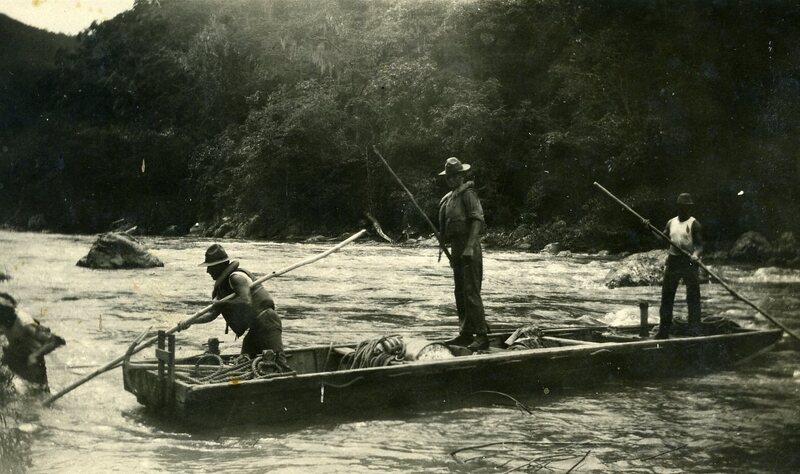
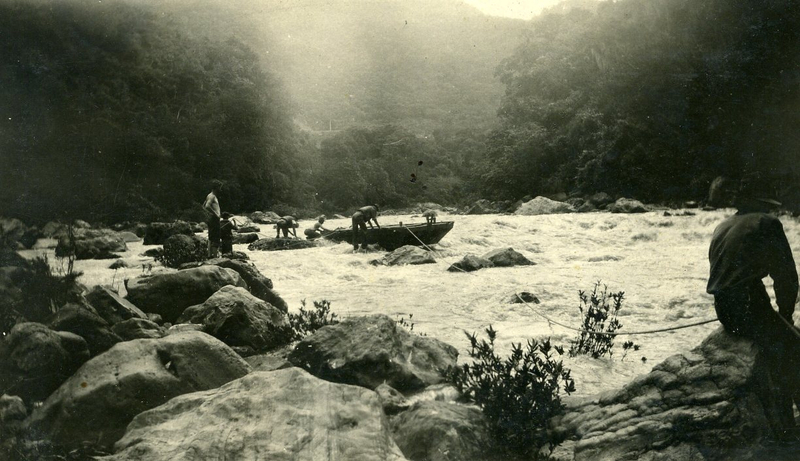
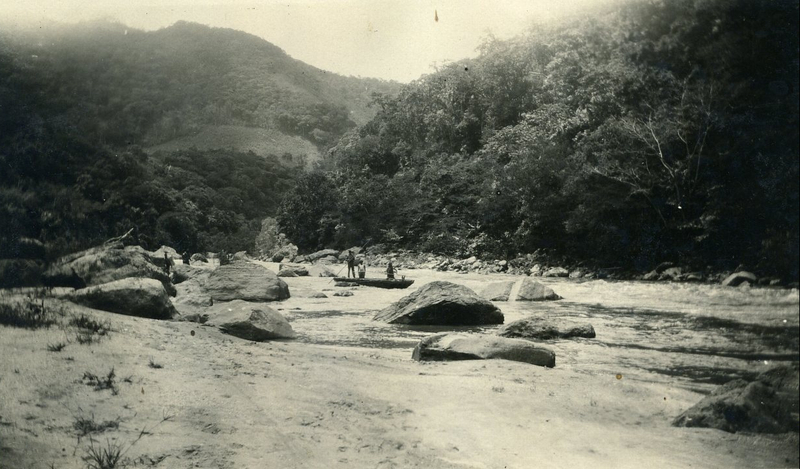
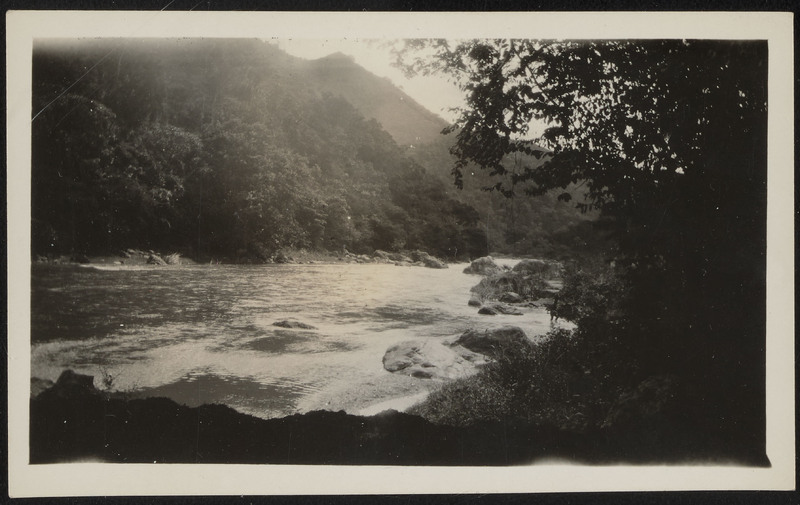
"I have never had more fun in my life, I don't believe."[1]
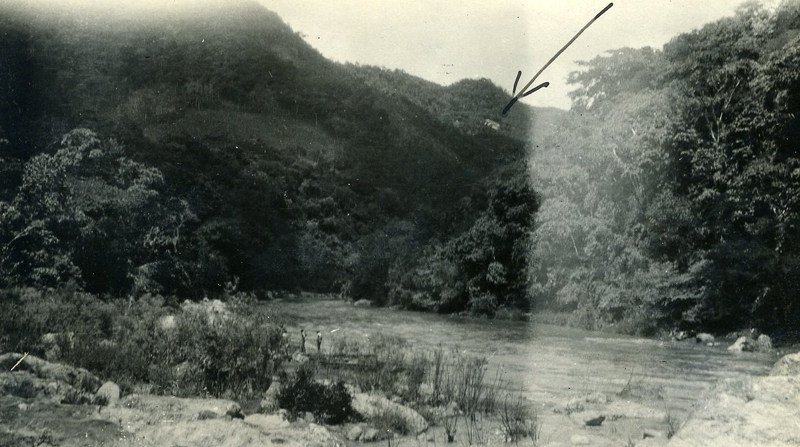
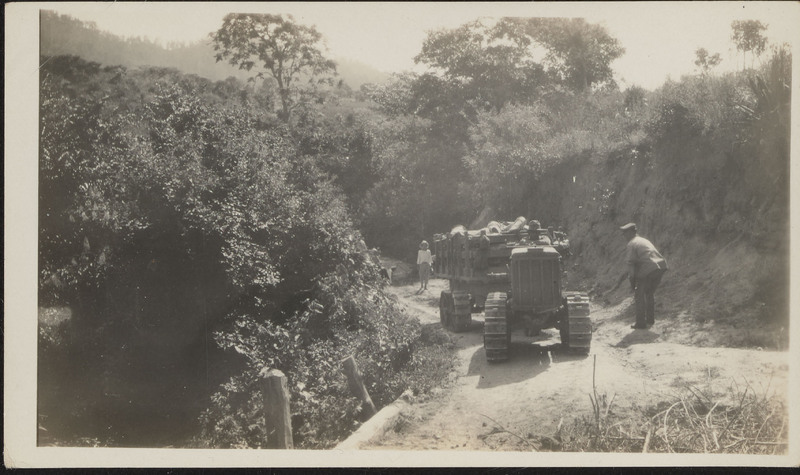
Roberts and his men left Ocotal on September 4th with their gear lashed to tractors and mules. The steep decent from the mountain hills into the Coco River Valley took several hours and by the time Capt Geyer and Lt Roberts reached the river they were eager to get the boats in the water and to start their expedition.
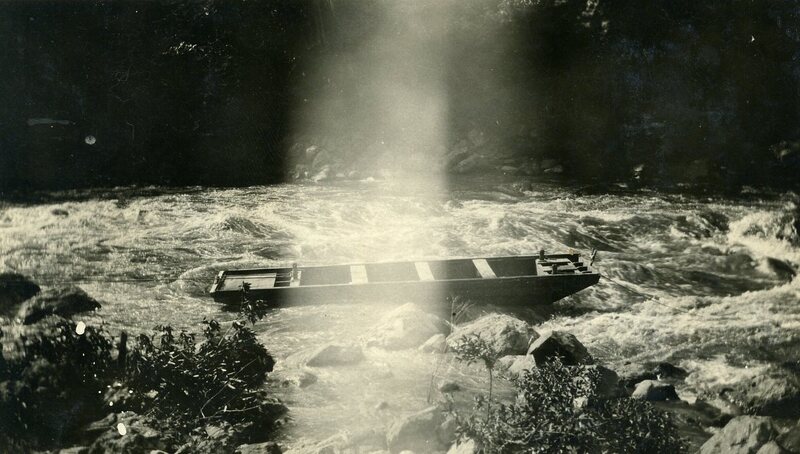
By 4:00 p.m. the boat crews had run into trouble. Having steered around a canyon bend they felt the current surge forward suddenly and shortly thereafter heard a roar in the distance: the first waterfall.
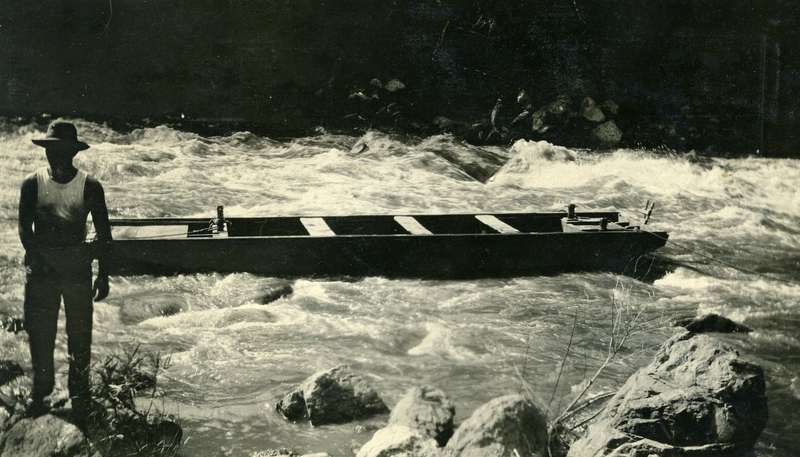
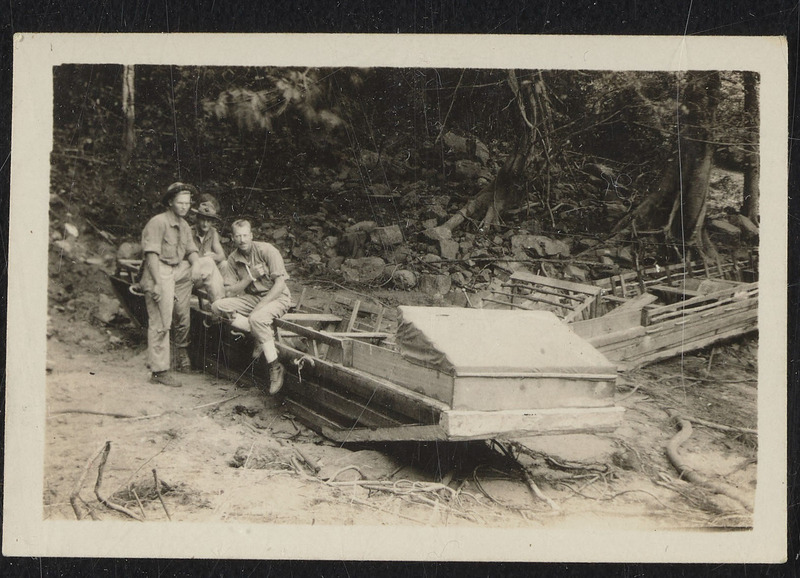
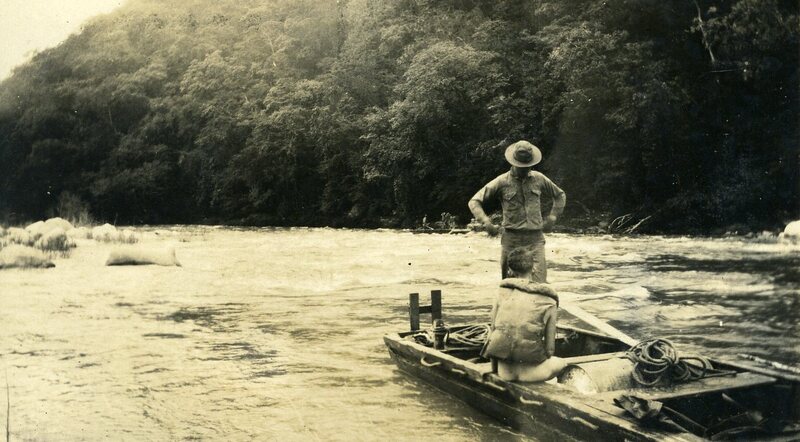
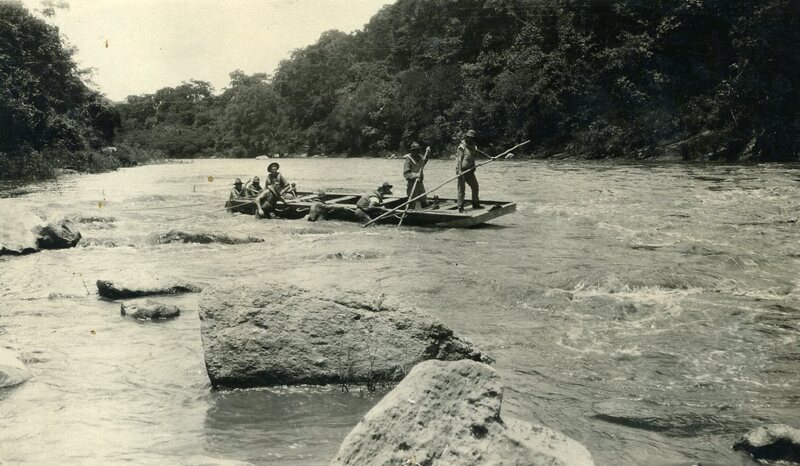
The crews on all four boats "threw out our anchors. The anchor on my boat held but those on the first two boats did not their having gone too far and on they went around a bend at least 15 miles per hour. We got into the beach, tied a line to a tree and snubbed our way around the next bend and there were the first two boats swamped and piled up on the rocks. The river had gone over a small falls about two feet high into a narrow channel filled with high jagged rocks. The boats had made the falls but were going too fast to pole off the rocks and turned partly over and swamped."[1]
The two swamped boats had unloaded their cargo completely, with rifles, food, and other supplies being washed down the bottom of the first falls. Roberts and his crew worked the rest of the day and into the night to recover the two boats and the gear they could spot by the moonlight. "then we turned in on the bank, just lay on the bank and slept in the rain."[2]
A rough start to the first day.
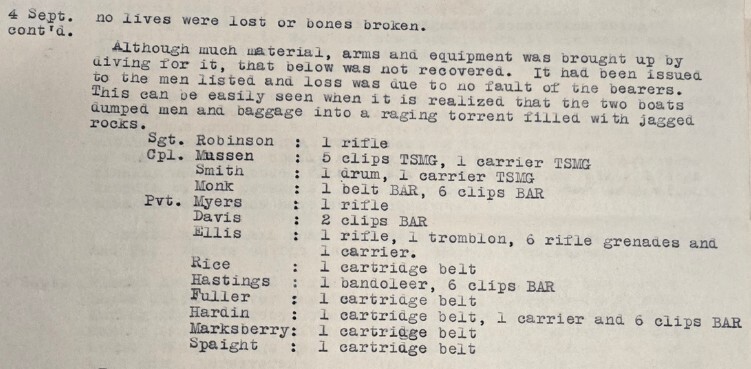
In Geyer's offical report of the first day of the Coco River Expedition he catalogued the multitude of lost equipment, personal effects, and "2 cases of medical supplies practically destroyed due to prolonged submersion." While much of the food was recovered "the salt was not recovered." They had travelded 20 miles and despite the hardship Geyer reported: "Morale excellent."[3]
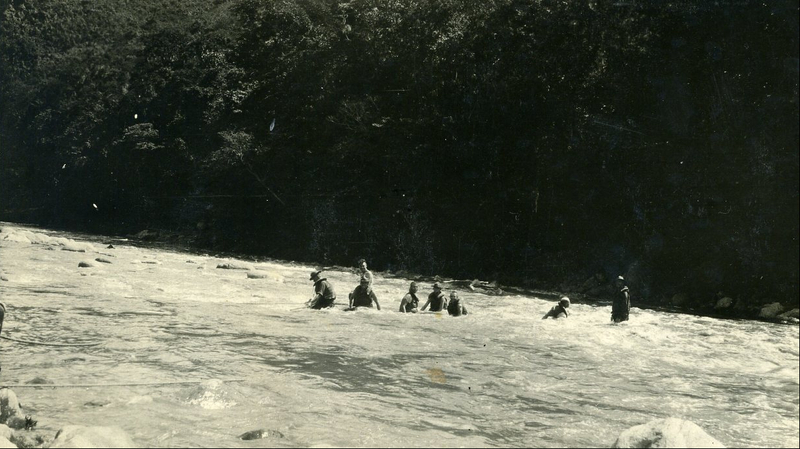
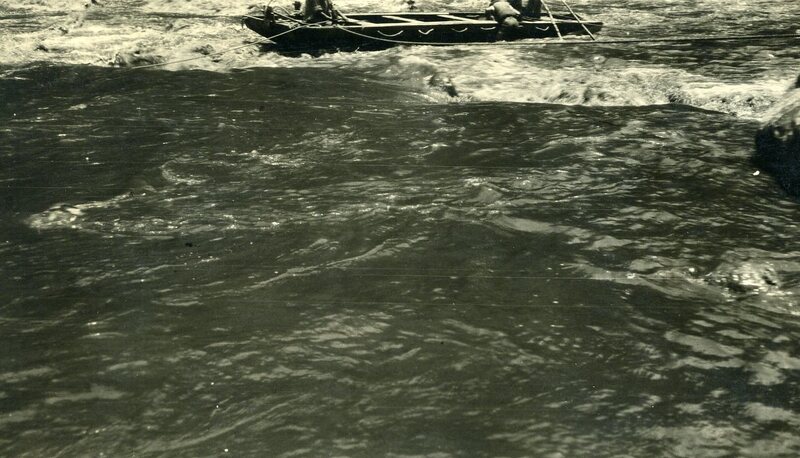
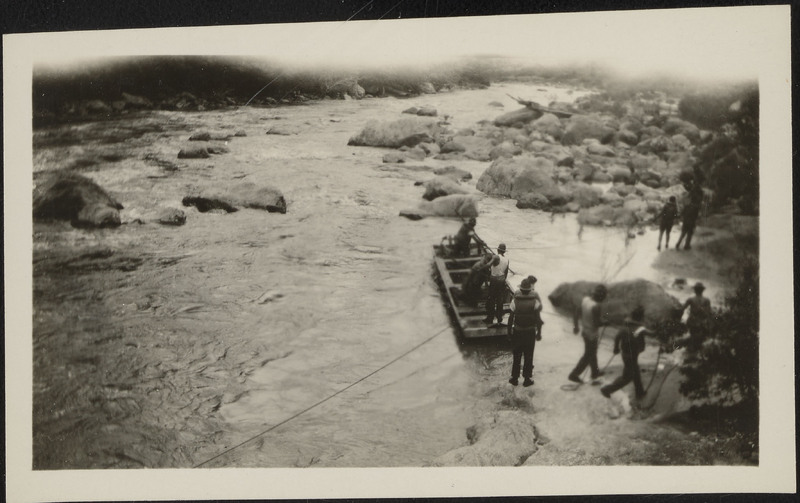
Roberts mirrored the sentiment of high morale. He wrote his wife, "the courage of the men was simply astounding." Having slept in wet blankets in the rain after working all night the Marines awoke the next day and resumed the task after chow. He reported, "We lost surprisingly little considering the fact that it was raining torrents, the river had risen 18 inches overnight and the river was just roaring. Then we turned to in the boats and with double lines to each hand jerking and snubbing around trees and men hanging on to the boats rocking them, we finally cleared them of the rocks which was an enormous job considering the water pressure against them."[2]
"Have no fears for me, baby mine, I feel wonderful, brown as a nut. Spend the day in the boat wearing a pair of keds, a “non-thriller” and a life jacket, pistol and knife. We are certainly a fine looking band of pirates. Hard work and exposure agrees with me and I’m practically noon sick when walking land. I’m getting a big thrill out of it all and love it."[4]
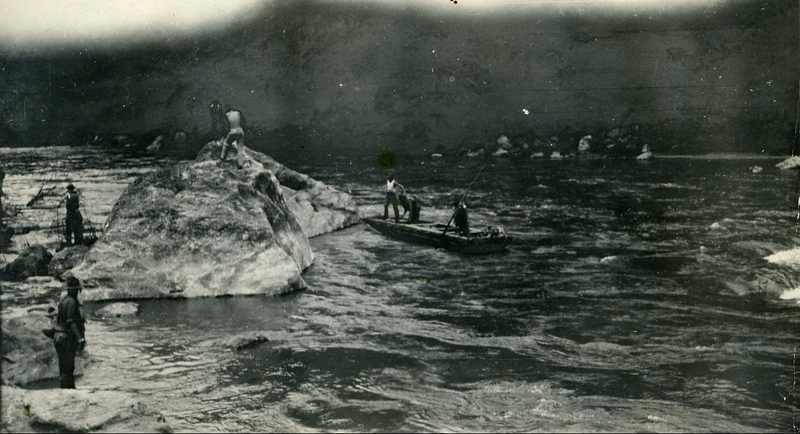
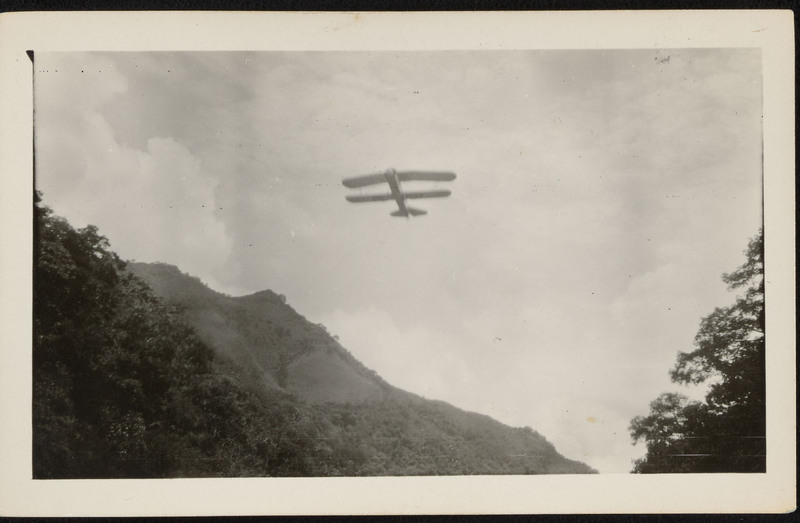
The next day a reconnaissance biplane zoomed overhead; Col. Dunlap's way of checking the progress the Coco River Expedition. Having waved them off "signalling 'all well'" the men got to work clearing the boats using ropes and poles.
Geyer described the second day of the expedition simliar to Roberts, "the work entailed was tremendous. Stick-to-itvness, unflagging labor, constaint peril contribued to make it a herculean task well performed." The end of day two, all boats were cleared beyond the first waterfall, most equipment had been salvaged, and although "many more lacerations cuts and abraisions have been aquired," morale was again reported to be "excellent."[3]
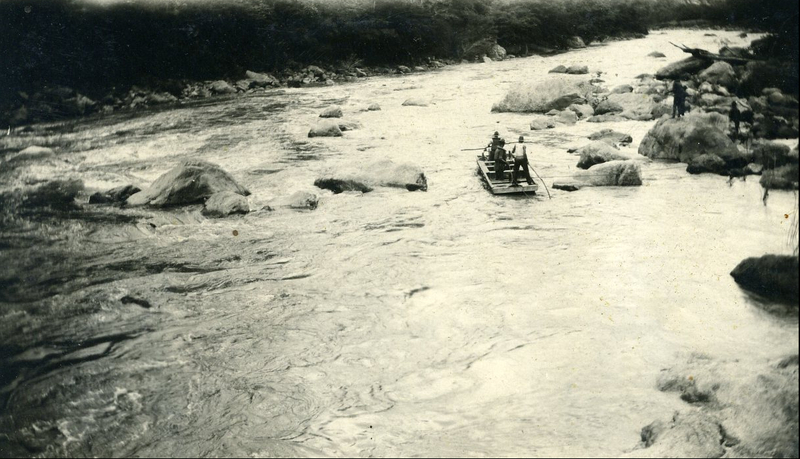
The third day the crew only travelled 500 yards, having at times to go over land due to the rapids being so dangerous. Luckily the river had raised 3ft overnight, so guiding the boats over them by rope was made easier. At 3p.m. they made camp to dry off and rest.
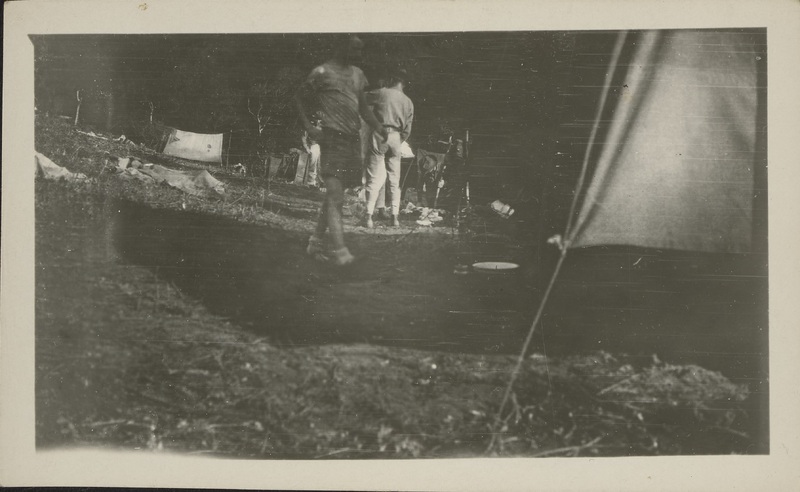
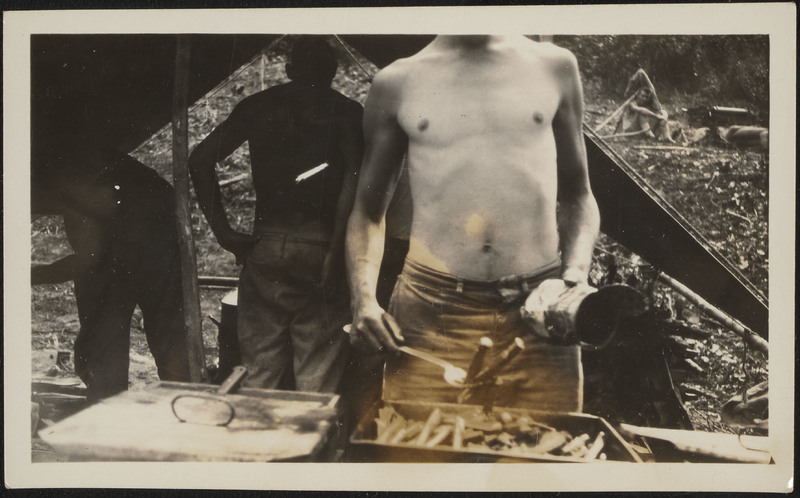
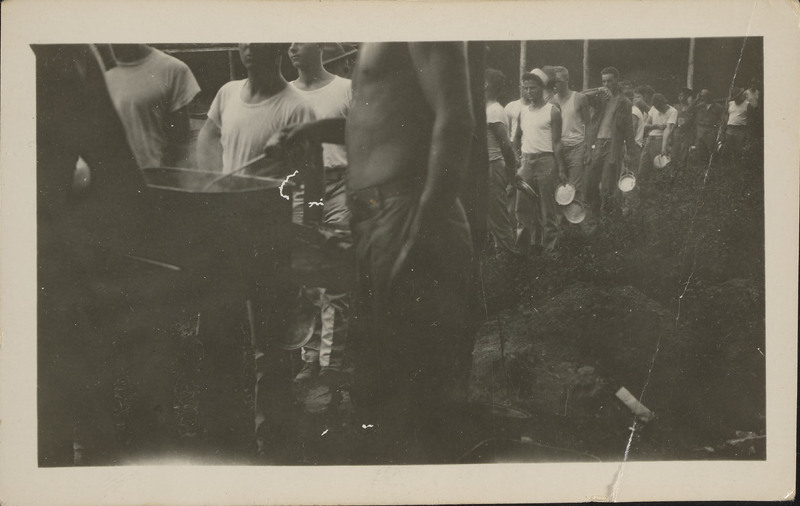
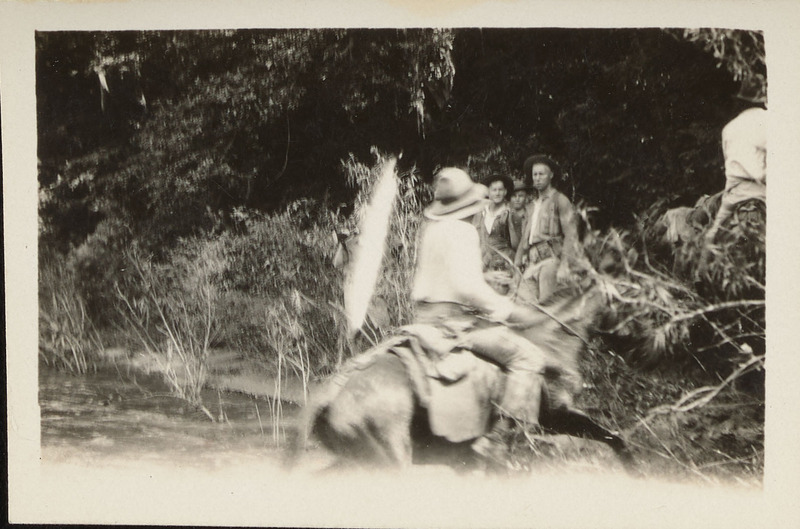
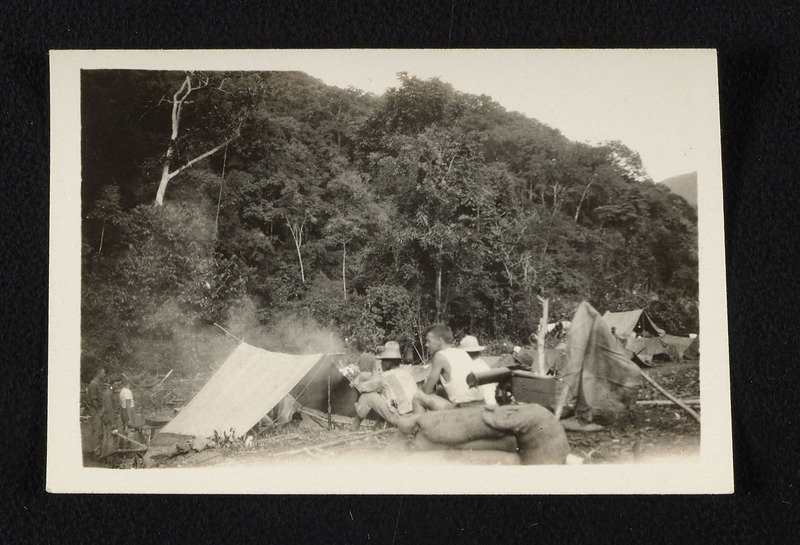
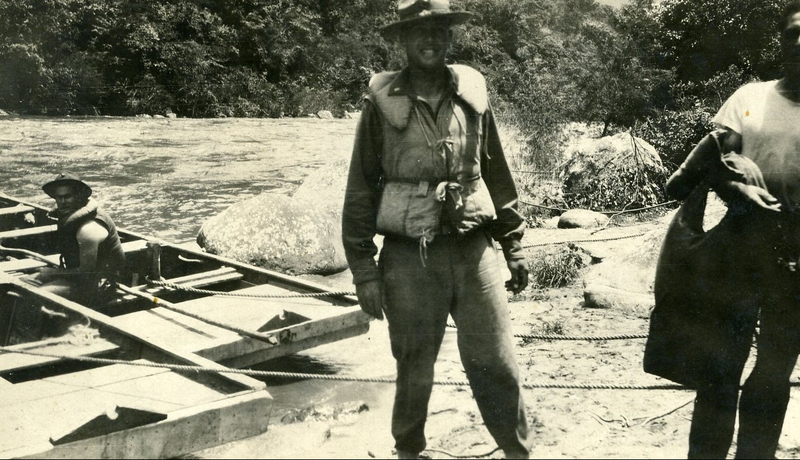
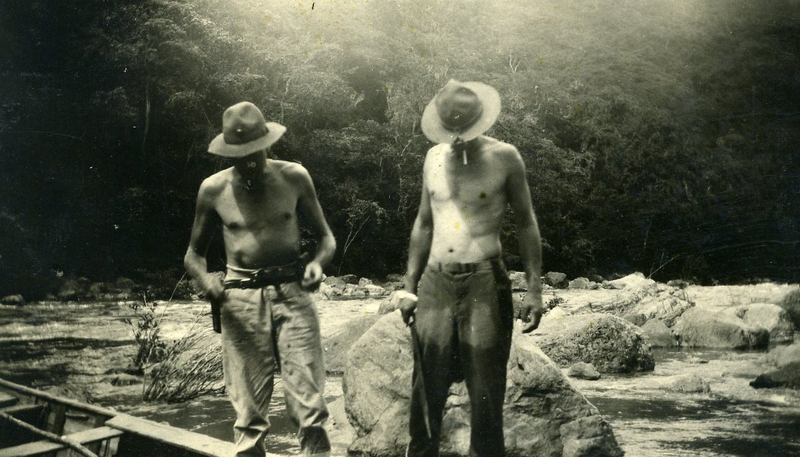
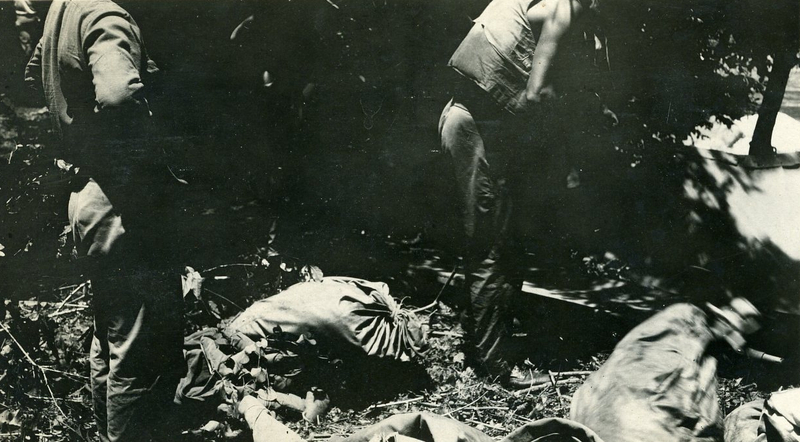
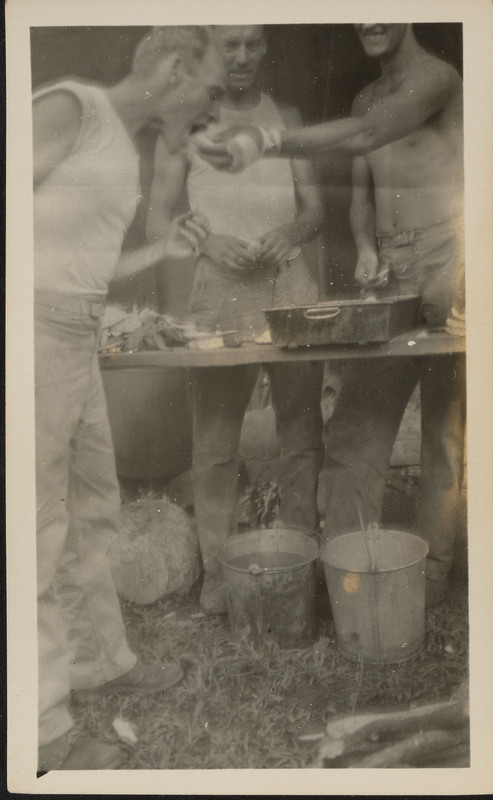
Camp life on the Coco River could be summed up in one word: wet. The Coco River Expedition made camp several times as they moved down the river valley and each time the pervasive dampness accompanied them.
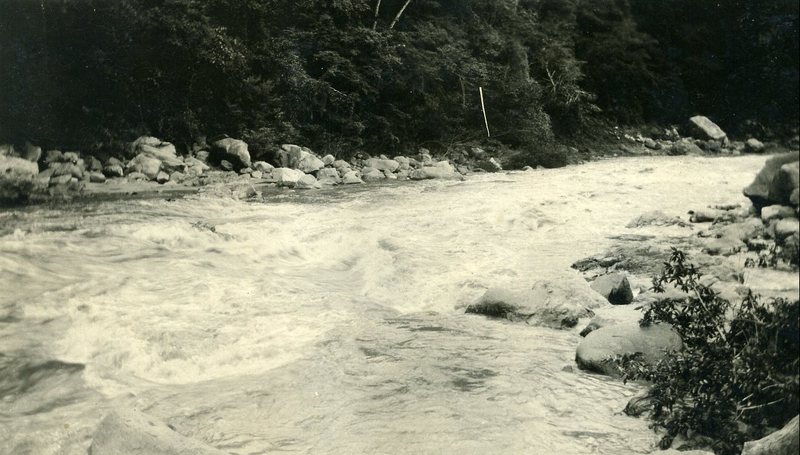
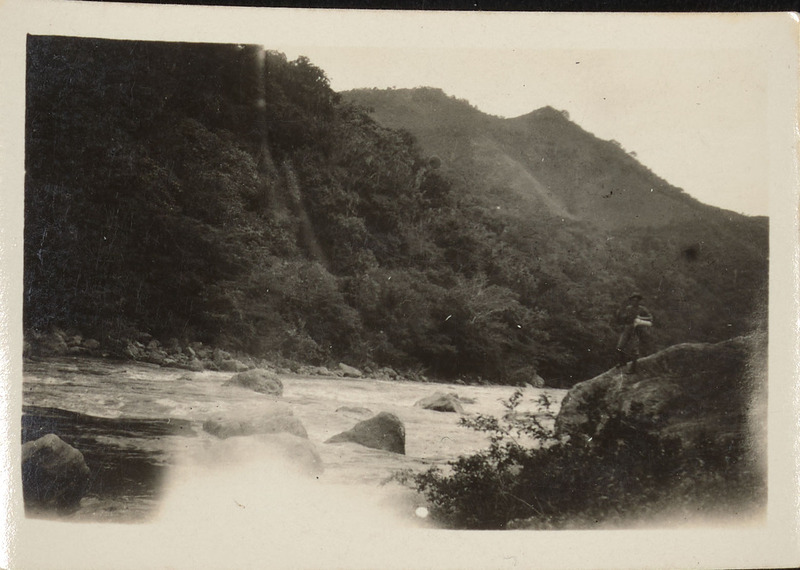
Roberts described a day on the Coco River in these terms "Picture waking at daybreak, eating boiled ham, bacon, coffee + hardtack, jumping in the river to cool the body, then putting on the wet clothes and starting down river again, working all day in the river, naked or only wearing our damn trousers in a swift, deep muddy river; logs, brush and dead animals floating down and running between cliffs up to 1,000 feet high where we had sunlight only between 12 and 2:00 p.m. At night, cutting a camp out of virgin jungle, clearing out the vines, cactus and man-high-ferns and dark evil-smelling weeds, turning in and sleeping in wet blankets, get up and roll up your wet blankets and start on another day. Down the river again with a patrol of ten men on either bank cutting their paths with machetes to protect the men operating the boats. We would be floating merrily along when as we rounded a bend in the river, the channel would suddenly narrow down between steep clifs and the current became so swift that the first, and last; or first and second boat be swept into a rapids – and how!"[5]
The typical day described by Roberts' would repeat itself for weeks, punctured only by the necessity of rest and recovery from injury. After sleeping in soaked tents, the men would grab chow from the mess and then head to the river. They worked all day in the water in the shadows of the cliffs and during the high humidity of rainy season. Sweat mingled with the mildew of damp uniforms and the stench of rotting animal caracasses as they rushed down the flooded river making for an unpleasant olifactory sensation. Nevertheless, they continued their process of using ropes, poles, to snub the boats down the Coco River stopping to rest and repair when the occasion called for it.
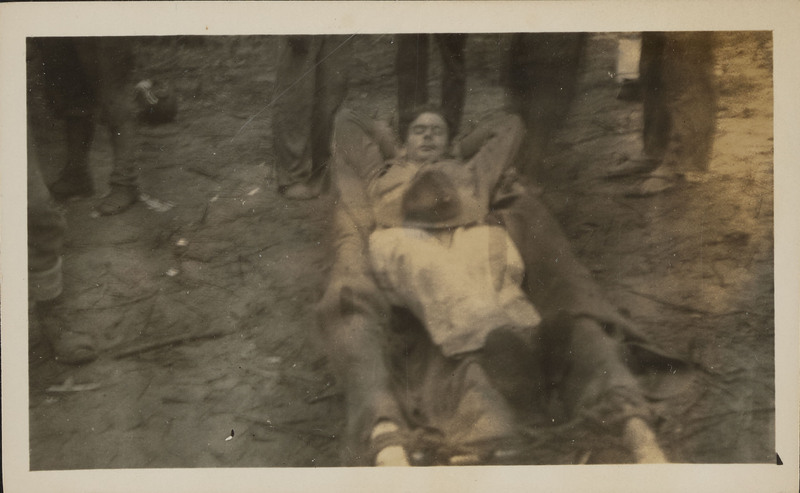
Unfortunately, as the Marines progressed down the river, episodes of weariness, injury, disease, and death increased. On 19 September, 1928 two dire incidents occured: one death and one major injury. The first was Private William I. Moore who was washed down the rough river and drowned.
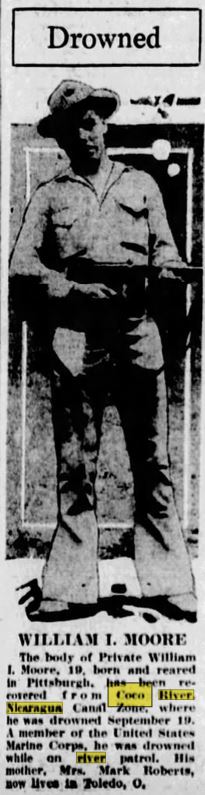
Roberts only had scorn for the recklessness of Pvt. Moore, "It was his own fault. He was only ten feet from the bank and insisted on disregarding our repeated warnings." The same day Private First Class DeHart was injured when a supply bag dropped from a plane landed on his head leaving him with a concussion.[6] Disease was also running rampant on the expedition Marines. Less than a month into the mission and already "30% of the men [were] sick with malaria, dysentery, grippe." Others were suffering different types of illness. Roberts figured he had "brushed against some poison plant or other" when his entire body erupted in an itchy rash. The sensation of "a million ants" ravaging his skin and his body "scaling like a snake shedding his skin" were part and parcel of working in the Nicaraguan jungle.[7]
Five days later, on 26 September, 1928 Colonel Dunlap called off the Coco River Expedition.
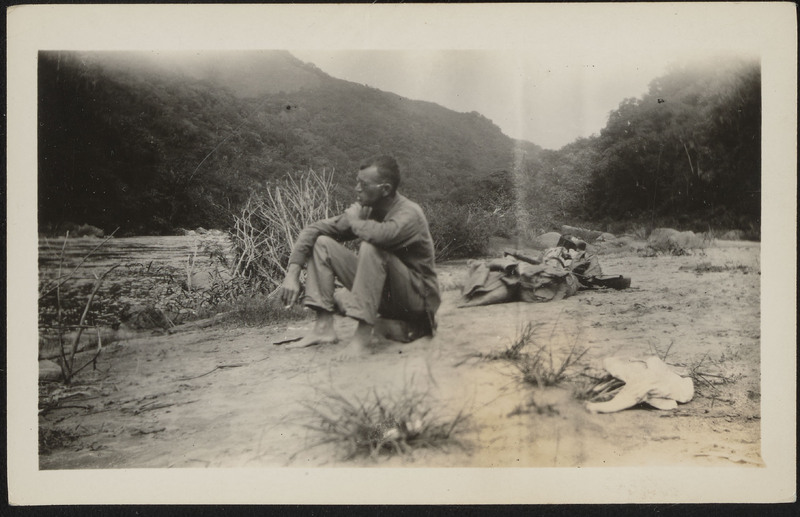
"The river is so high and dangerous and they have come to the conclusion that the actual military value will not be commisurate with the possible cost...We are disappointed in a way but the river looks hellish from here on and it may mean the loss of more lives."[7]
With one dead and scores sick with disease and injury the belagured Coco River Patrol rested for several days before reconoitering their way back to Daraili.
[1] Correspondence from Harold C. Roberts to Faith N. Roberts 8 September, 1928, Folder 24, COLL 2678, Archives Branch, Marine Corps History Division, Quantico, V, 1.
[2] Correspondence from Harold C. Roberts to Faith N. Roberts 8 September, 1928, Folder 24, COLL 2678, Archives Branch, Marine Corps History Division, Quantico, V, 2.
[3] Nicaragua, Patrol Reports 2nd Brigade, September 1927 & Undated, COLL 3978, Archives Branch, Marine Corps History Division, Quantico, VA, 1.
[4] Correspondence from Harold C. Roberts to Faith N. Roberts 20 September, 1928, Folder 25, COLL 2678, Archives Branch, Marine Corps History Division, Quantico, VA, 1.
[5] Correspondence from Harold C. Roberts to Faith N. Roberts 10 October, 1928, Folder 29, COLL 2678, Archives Branch, Marine Corps History Division, Quantico, VA, 1
[6] Correspondence from Harold C. Roberts to Faith N. Roberts 20 September, 1928, Folder 25, COLL 2678, Archives Branch, Marine Corps History Division, Quantico, VA, 1.
[7] Correspondence from Harold C. Roberts to Faith N. Roberts 26 September, 1928,  Folder 26, COLL 2678, Archives Branch, Marine Corps History Division, Quantico, VA,